Toni Vere Interview: The Story Behind Broken People
INTERVIEW
9 Lounges Team
8/1/2026


______________ Advert ______________

____________________________________
Toni Vere is a Canadian singer-songwriter known for her authentic, lyric-driven folk music that explores the complexities of human emotion with honesty and heart. Her latest single, Broken People, blends cinematic instrumentation with deeply meaningful storytelling, encouraging empathy, reflection, and connection. With a songwriting style rooted in real-life experiences, Toni creates timeless music that resonates far beyond fleeting trends.
The Story Behind "Broken People": What inspired you to write “Broken People,” and was there a particular moment or experience that sparked the song?
“Broken People” came from watching the world change over the last number of years. It feels like every day life gets a little harder for ordinary people while the gap between those who have everything and those just trying to make ends meet keeps getting wider.
I’ve spent my career working alongside mechanics, technicians, tradespeople, and working families. I hear their stories every day. Rising costs, housing, groceries, uncertainty—people are working just as hard as they’ve always worked, yet many feel like they’re falling further behind.
The song was born from those conversations. It’s about the feeling that opportunities are slowly being bought up from underneath us while the rest of us are simply trying to feed our families and hold our lives together.




____________________________________
______________ Advert ______________
The Message Behind the Music: The song explores themes of empathy, social inequality, and the disconnect between ordinary people and those in power. What message do you hope listeners take away from it?
I hope people walk away feeling two things at the same time: compassion and curiosity.
There are political undertones in the song, absolutely. But they aren’t aimed at one party or one ideology. They’re aimed at a system that too often rewards wealth and influence while leaving ordinary people carrying the consequences.
At the same time, I don’t want listeners to lose sight of one another. The person beside you isn’t your enemy. Most of us are working hard, paying bills, raising families, and doing the best we can with what we’ve got.
Crafting the Soundscape: The cinematic blend of piano, violin, marching drums, and acoustic guitar creates a powerful atmosphere. How did you approach the arrangement and production to match the song’s emotional depth?
The arrangement had to feel bigger than one person’s story because I don’t think this is one person’s story.
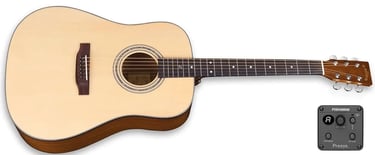
The acoustic guitar keeps it grounded in folk music—that’s home for me. The piano creates space to reflect, while the violin carries a lot of the emotion that words can’t always express.
The marching drums represent something different. To me they sound like people continuing to move forward together, even when life feels heavy. There’s determination in them. Almost a quiet resilience.
Everything was chosen to support the lyric, not distract from it.
______________ Advert ______________
____________________________________
Finding Emotion in Every Note: Your vocal performance balances strength with vulnerability. How do you emotionally prepare yourself when recording such deeply personal songs?
I don’t spend much time preparing emotionally. I spend more time reminding myself not to perform.
People connect with honesty, not perfection. If a line catches in my throat or my voice isn’t flawless, that’s okay. Life isn’t flawless.
When I recorded “Broken People,” I was thinking about the people I’d met over the years—the single parents, the seniors, the workers trying to keep their heads above water. I wanted them to hear themselves in the song.
Writing with Purpose: “Broken People” encourages reflection without telling listeners what to think. Was it important for you to leave space for individual interpretation?
Very important. I don’t think songwriters should hand people conclusions. We should ask questions.
Some listeners will hear politics. Others will hear economic inequality. Some will hear mental health or grief. Others may simply hear a reminder to treat people with kindness.
The moment you tell people exactly what they’re supposed to think, the conversation ends. I’d rather it begin.
Music as a Voice for Change: Do you believe music has the power to influence conversations about social issues, and how does “Broken People” fit into your artistic vision?
Music probably won’t solve society’s problems, but it can make us stop long enough to think about them.
Folk music has always been rooted in telling ordinary people’s stories. That’s the tradition I feel most connected to.
If “Broken People” encourages someone to ask why so many hardworking people are struggling while enormous wealth continues to accumulate in fewer and fewer hands, then I think it’s done something worthwhile. Not because it provides answers, but because it starts conversations.
That’s the kind of songwriting I’m interested in.
Hope Through Heartache: The song carries both emotional weight and a sense of hope. How did you find the balance between highlighting life’s struggles and offering optimism?
The hope comes from people—not institutions.
I’ve met extraordinary people who continue showing kindness despite everything they’re carrying. They volunteer. They support neighbours. They raise children with love. They show up for one another.
The world can feel unfair, but people still have an incredible capacity to care for each other. That’s where the optimism lives.
____________________________________
______________ Advert ______________
Connecting with Listeners: How has the response from fans and listeners been since the release of “Broken People”? Have there been any reactions that particularly touched you?
The response has been incredibly encouraging because people have found their own stories inside the song.
Some have talked about the cost of living. Others have connected it to losing jobs, struggling with mental health, or simply feeling invisible.
One of my favorite things about songwriting is that once the song belongs to the listener, their interpretation is every bit as valid as mine. That’s when you know it has found a life of its own.
What's Next for Toni Vere?: Looking ahead, what can fans expect from you next? Are there any upcoming releases, projects, or live performances you’d like to share?
It’s been a busy year, and I’m excited about what’s coming next.
My new single, “Real Go Getter,” is being re-released on August 1, followed by my new album, Picture Of You, in September. The record explores a wide range of themes—grief, resilience, humour, relationships, and the everyday stories that often go unnoticed.
I’ll also be performing throughout Alberta, Vancouver Island, and Hamilton Ontario over the coming months, including my album release concert at the Ironwood Stage & Grill on September 27.
If there’s one thing I hope people take away from my music, it’s that ordinary lives are extraordinary. Those stories deserve to be told.
Also Read


Joe Kocher the Artist: Crafting Real-Life Stories Through Music in Brick and Beyond
______________ Advert ______________
____________________________________