Cristina Pavone Interview: The Story Behind “Hecate” and Her Creative Process
INTERVIEW
9 Lounges Team
5/7/2026
______________ Advert ______________

____________________________________
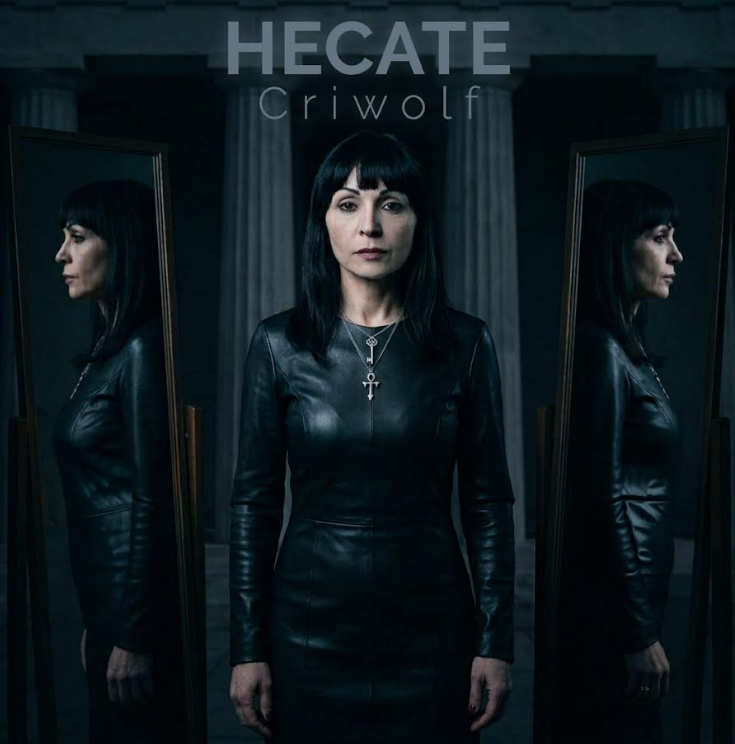
Cristina Pavone is a singer-songwriter whose music blends emotional storytelling, atmospheric soundscapes, and mythological symbolism into deeply immersive experiences. Known for her poetic lyricism and haunting vocal presence, her work explores themes of transformation, grief, healing, and self-discovery. Through songs like Hecate, Cristina creates music that feels both intimate and cinematic, drawing listeners into spaces where shadow and light coexist. With a fearless approach to vulnerability and a fascination with spiritual symbolism, she continues to carve out a unique artistic identity rooted in depth, emotion, and authenticity.
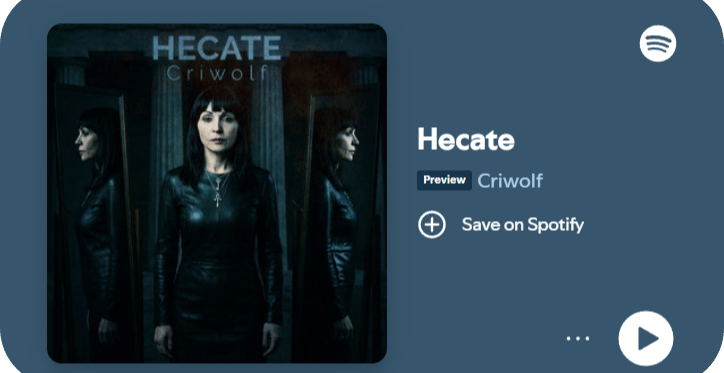
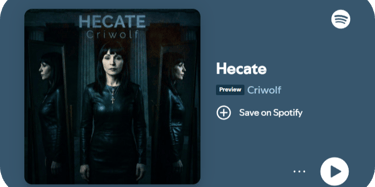
The Origin of “Hecate”: “Hecate” feels deeply ritualistic and immersive. What was the initial spark or moment that led you to create this song?
The initial spark came from a moment of stillness after a long internal storm. I wasn’t trying to write a song—I was trying to understand something that had no clear language. “Hecate” emerged from that space, almost like a presence rather than an idea. It felt less like creating and more like listening to something that was already there, waiting to be named.


____________________________________
______________ Advert ______________
Writing Through Imagery: The imagery in the lyrics—like “candle smoke on a silver blade”—is very vivid and cinematic. How do you approach building such strong visual language in your songwriting?
I tend to see images before I find words. The visual language in my songwriting comes from instinct rather than intention—fragments, symbols, and sensations that carry emotional weight. I’m not trying to describe reality but to evoke a state of being. If something feels vivid, it’s usually because it’s rooted in something deeply internal and almost unconscious.
Meaning Behind the Veil: The concept of the “veil” plays a central role in the track. What does this symbol personally represent to you?
The veil, to me, represents the threshold between who we are and who we’re becoming. It’s not just something that hides—it’s something that protects, that delays revelation until we’re ready. There’s a kind of sacred tension in that space, where clarity hasn’t arrived yet but transformation has already begun.
______________ Advert ______________
____________________________________
Connecting With Mythology: You draw inspiration from the mythological figure Hecate. What aspects of her archetype resonated most with your personal journey?
What resonated most with Hecate as an archetype is her connection to liminal spaces—the crossroads, the in-between. She doesn’t belong to one world, and neither do I, creatively or personally. There’s something powerful in standing at that threshold, holding both darkness and illumination without needing to resolve them.
The Power of Identity: The line “I am your daughter before I was mine” is incredibly powerful. Can you share the story or emotion behind that lyric?
That line came from a very personal place, but it speaks to something universal—the idea of belonging before identity. It’s about a connection that exists before we fully understand ourselves, something ancestral, emotional, and almost beyond time. It carries both vulnerability and a sense of origin.
Strength in Surrender: There’s a balance between surrender and strength in the repeated phrase “I’m on my knees.” How do you interpret that duality?
For me, surrender and strength are not opposites. Being on your knees can be a moment of collapse but also of clarity. There’s a quiet power in letting go of control, in allowing yourself to feel fully. That duality is essential—without surrender, strength becomes rigid; without strength, surrender becomes disappearance.
Healing Through Music: “Hecate” explores themes of transformation, grief, and self-discovery. Was there a particular life experience that influenced this emotional depth?
Yes, but not in a linear way. The emotional depth of the song comes from accumulated experiences rather than a single event—moments of loss, change, and internal conflict that slowly reshape you. “Hecate” is the echo of those layers rather than a direct narrative.
____________________________________
______________ Advert ______________
Creating the Atmosphere: The song suggests a strong atmospheric and almost meditative soundscape. How did you approach the sonic elements to match the lyrical intensity?
The sound was built to feel like a space you can enter rather than just a song you listen to. I wanted it to be immersive, almost like a ritual. The sonic choices were guided by atmosphere and restraint—leaving room for silence, for breath, for tension. The music had to support the emotional weight without overwhelming it.
What’s Next for Cristina Pavone: Your work hints at a broader fascination with liminality—the space between states. How does this concept shape your overall artistic vision moving forward?
Liminality is at the core of my artistic vision. I’m drawn to what exists between definitions—between light and shadow, strength and fragility, identity and transformation. Moving forward, I want to keep exploring that space, because that’s where things feel most honest to me. It’s not about resolution, but about staying present within the transition.
Also Read
Gary Porter: The Soulful Voice Redefining British Songwriting with Porter Brotherhood
______________ Advert ______________
____________________________________